Nurse School Survivor: A Designer's Review for Real Embroidery Projects
As a designer who spends more time at the hoop than away from it, I approach every new machine embroidery design with a critical eye. It is not just about whether the image looks cute on a screen; it is about how those vectors translate into thread, how the density sits on fabric, and whether the final finished product will hold up to the wear and tear of real life. Recently, I evaluated the Nurse School Survivor file, a piece categorized under Crafts and Graphics, to see if it has the legs to support a small business inventory or a meaningful personal gift. This review breaks down the practical application of this design for fellow Etsy sellers, apparel decorators, and makers.
First Impressions and Visual Personality
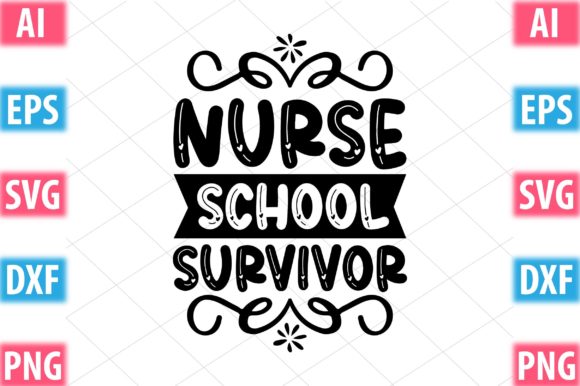
When I first pulled up the Nurse School Survivor digital embroidery file, the immediate takeaway was its celebratory yet resilient mood. The theme speaks directly to the grueling journey of nursing education, making it an instant connector for graduates, students, and proud family members. Visually, the layout appears balanced, likely utilizing a mix of bold lettering and thematic iconography that suggests survival and triumph. For a craft business, this emotional resonance is gold; it transforms a simple stitch pattern into a story.
The design personality feels modern and spirited, avoiding the overly clinical look often associated with medical themes. Instead, it leans into the "survivor" aspect, which allows for creative freedom in color choices. Whether you envision this as a vibrant satin stitch headline with playful fill stitch accents or a more subdued monochrome look, the core composition seems robust enough to handle various interpretations without losing its identity.
Real-World Application Scenarios
To truly test the viability of Nurse School Survivor, I imagined several real-life production scenarios. The most obvious and impactful use case is custom apparel. Picture a high-quality cotton blend sweatshirt destined for a graduation party. Placing this design on the chest or across the shoulders creates a statement piece that a new nurse would wear with pride. The text-heavy nature of the design suggests it would also perform exceptionally well on a canvas tote bag design, perfect for carrying textbooks, stethoscopes, or shift essentials.
Beyond apparel, I see strong potential for home decor and accessories. An embroidered patch featuring this motif could be ironed onto a denim jacket or a scrub cap, adding a personalized touch to a uniform that is often restricted in decoration. For the holiday embroidery market, this could be adapted into a festive ornament or a pillow cover for a new graduate's first apartment. The versatility extends to baby embroidery as well; a smaller version on a onesie makes for a heartfelt "future nurse" gift from a proud parent.
For small shop product lines, the commercial appeal is clear. This is not just a hobbyist item; it is a commercial embroidery asset that can drive sales during graduation seasons. The ability to scale the design for different items, from kitchen towels to boutique branding materials, increases its value proposition significantly.
Technical Considerations and Fabric Compatibility
While the aesthetic is strong, a professional reviewer must address the technical realities of stitching Nurse School Survivor. The success of any embroidery project relies heavily on the interaction between the stitch density and the chosen material. If the design features dense lettering or intricate details, it requires careful handling on stretchy fabrics like jersey knits. In such cases, using a high-quality cut-away stabilizer is non-negotiable to prevent puckering and ensure the design remains crisp after washing.
Textured fabrics present another challenge. If you are stitching this onto a waffle-weave towel or a thick fleece hoodie, the fabric texture can interfere with the clarity of small elements. I recommend running a test stitch-out on scrap fabric that matches your final material exactly. Pay close attention to the corners of the letters and any fine lines; these are the areas where running stitch elements might get lost if the tension is not perfectly calibrated.
Dark fabrics require a different strategy. To make the Nurse School Survivor text pop against navy scrubs or black tote bags, you may need to utilize an underlay stitch or even a white backing layer if the design does not already include one. This ensures that the thread colors appear true to their digital preview and do not get muddy against the background.
Curved Surfaces and Small Hoops
Applying this design to curved surfaces, such as caps or hats, demands precision. The curvature can distort wide designs, so checking the hoop size compatibility is essential before committing to production. If the design is too wide for a standard cap frame, it may need to be resized, which risks compromising the legibility of smaller text. Similarly, if you are aiming for a personalized gift on a small item like a coin purse or a key fob, verify that the minute details remain distinct when scaled down.
Enhancing Brand Value and Customer Trust
In the world of handmade goods, presentation is everything. Using a well-executed design like Nurse School Survivor elevates the perceived value of your handmade product. When a customer sees clean stitch lines, proper density, and thoughtful color coordination, it builds trust in your brand. It signals that you care about quality, which encourages repeat business and positive reviews.
For printable mockup creation and online listings, the visual appeal of this design is a major asset. High-resolution previews showing the design on various design assets can help customers visualize the end result, increasing conversion rates. However, always ensure that your physical product matches the hype of the mockup. Consistency between your digital marketing and the actual finished product is key to maintaining a professional reputation.
Practical Notes for Designers and Makers
Before integrating Nurse School Survivor into your workflow, here are a few actionable steps to ensure success:
- Test First: Always stitch a sample on scrap fabric to check tension and registration.
- Check Contrast: Verify that your chosen thread colors provide sufficient contrast against the fabric, especially for text elements.
- Review Density: Inspect the stitch count visually; if areas look too dense, consider editing the file to reduce bulk on lightweight materials.
- Confirm Licensing: Since this item is sold as a digital file only with formats including SVG, PNG, EPS, DXF, and JPG, clarify the license terms regarding commercial use before selling finished items.
- Stabilizer Selection: Match your stabilizer to the fabric weight; heavier fabrics may need less support, while knits require robust stabilization.
- Mockup Testing: Create black and white mockups to ensure the design holds its shape without relying on color cues.
Ultimately, Nurse School Survivor offers a compelling blend of sentiment and style. With the right preparation and attention to technical details, it can become a staple in your catalog of custom apparel and gifts. By respecting the nuances of the embroidery file and understanding the needs of your end-user, you can create products that not only look good but feel meaningful to those who wear them.